The annual report has a bit of an image problem. Too often, it’s seen as something you produce because you have to: a compliance exercise, a box ticked, a document that lives briefly on your website before quietly gathering dust.
But when it’s done well, an annual report can be one of the most powerful pieces of communication your charity produces all year. It can deepen trust, bring new supporters closer, and remind long-standing donors exactly why they cared in the first place.
So what’s actually worth including?
Real, human stories of change
Start with the people. Statistics matter, but stories are what make them land. A strong annual report centres the voices of the people you exist to serve, beyond polished case studies, as humans with complexity, agency and lived experience.
The most compelling stories show movement: where someone started, what shifted, and what life looks like now. They don’t need to be dramatic to be powerful. Small, specific moments often say more than sweeping transformations ever could.
And if possible, let people speak for themselves. Direct quotes, first-person reflections, or co-written pieces build authenticity in a way third-person summaries never quite manage.
What you’ve achieved (and what you’re still reaching for)
Yes, your annual report should celebrate impact. Donors and supporters want to see what their time, money and trust have made possible. But it’s just as important to be open about what’s still unfinished.
Sharing progress alongside ambition shows maturity and confidence. It helps supporters understand the scale of the challenge you’re working on, and where their continued support can make the biggest difference next.
When charities talk honestly about what’s hard, what’s evolving, and what they’re learning, it builds credibility. People don’t expect perfection, but they do value clarity and transparency.
An inclusive narrative that invites people in
An good annual report should be a conversation between you and your stakeholders.
The language you use should make readers feel part of the story, whether they’re a major funder, a volunteer, a first-time donor or someone encountering your brand for the first time.
That means avoiding internal jargon, acronyms and policy-heavy language where possible, and instead focusing on clarity and warmth. It also means being intentional about whose perspectives are represented.
When people can see themselves reflected in your narrative, they’re more likely to stay connected to your mission.
Accessible design, fonts and colours
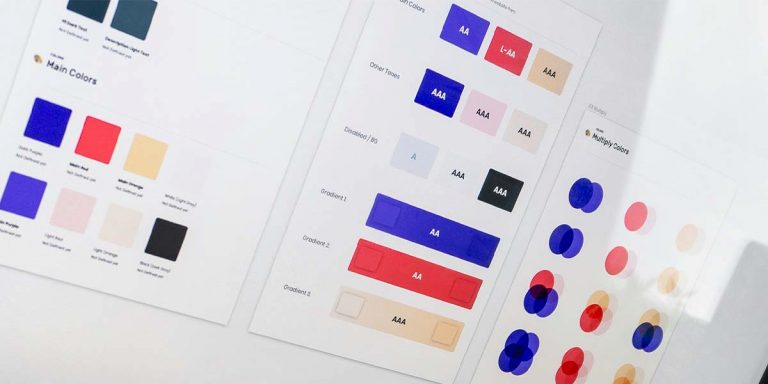
Your annual report should be accessible to your entire audience, including those with visual or cognitive impairments. By using correct colour contrast, legible typefaces and clear information hierarchy, you signal that accessibility is central to your organisation.
Data that’s genuinely engaging
Data doesn’t have to be dry. In fact, when it’s presented beautifully, it can be one of the most engaging parts of your report.
Thoughtful data visualisation helps readers quickly understand scale, trends and outcomes without feeling overwhelmed. It also gives you assets you can reuse throughout the year — on social media, in funding applications, in presentations and newsletters.
The key is restraint. Choose the numbers that really matter, explain why they matter, and give them room to breathe. A few well-designed charts will always outperform pages of dense tables.
Transparency about how money moves
People want to know how resources flow through your organisation.
Clear, accessible explanations of income and expenditure help build trust, especially in a sector where accountability matters deeply. This doesn’t mean every line item needs forensic detail, it means showing, in plain language, how funding supports real work on the ground.
Context is everything here. Pair financial information with narrative that explains the decisions behind the numbers and the values guiding them.
A sense of momentum
The most engaging annual reports feel like a checkpoint instead of an ending. They leave readers with a sense of energy, direction and possibility. Where is the organisation heading? What’s changing in the world around you? What role can supporters play in what comes next?
When an annual report captures momentum, it becomes more than a record of the past year, and opens the opportunities of what’s next.
Planning your next annual report?
Oxygen specialises in creating engaging annual reports for the charity sector. Contact our team to talk to us about how we can work together.

Ruth Davis
As the Strategic Engagement & Impact Lead and Co-Founder at Oxygen, I specialise in building strong partnerships, leading high-impact projects, and guiding organisations on how to embed sustainability into their communications and strategy. With a Master’s degree in Sustainable Development and a background in strategic and digital communications, I’ve worked with a wide range of organisations – from climate-focused startups and B Corps to membership bodies and community development charities. My experience spans brand development, messaging and strategy, and website projects, all with a clear focus on purpose and impact. At the core of my approach is collaboration. I’m passionate about aligning big ideas with practical action, helping teams turn values into value and purpose into progress.